
Technology
The innovation that makes
your inspection possible.
AOI, SPI and More. One Configurable Platform.
Horus performs 3D SPI, pre-reflow AOI, post-reflow AOI and additional inspection applications on the same configurable machine.
25 MP True-3D Optics
A patented 25 MP telecentric imaging system with four RGB projectors and multi-level RGBW lighting acquires both high-resolution 2D images and true-3D data.
Neural Inspection Engine
Proprietary neural networks recognise and classify board features on the machine, in real time, during the live inspection cycle.
Neith Software Platform
Neith unifies AOI and SPI programming, data and workflows through browser-based microservices and an Ubuntu/Linux foundation built for fast AI and machine control.
AI Programming and Learning
Self-programming accelerates component recognition and setup; Training Manager enables neural-network training directly on the machine using production images.
Why our technology performs differently
Paste, body and placement
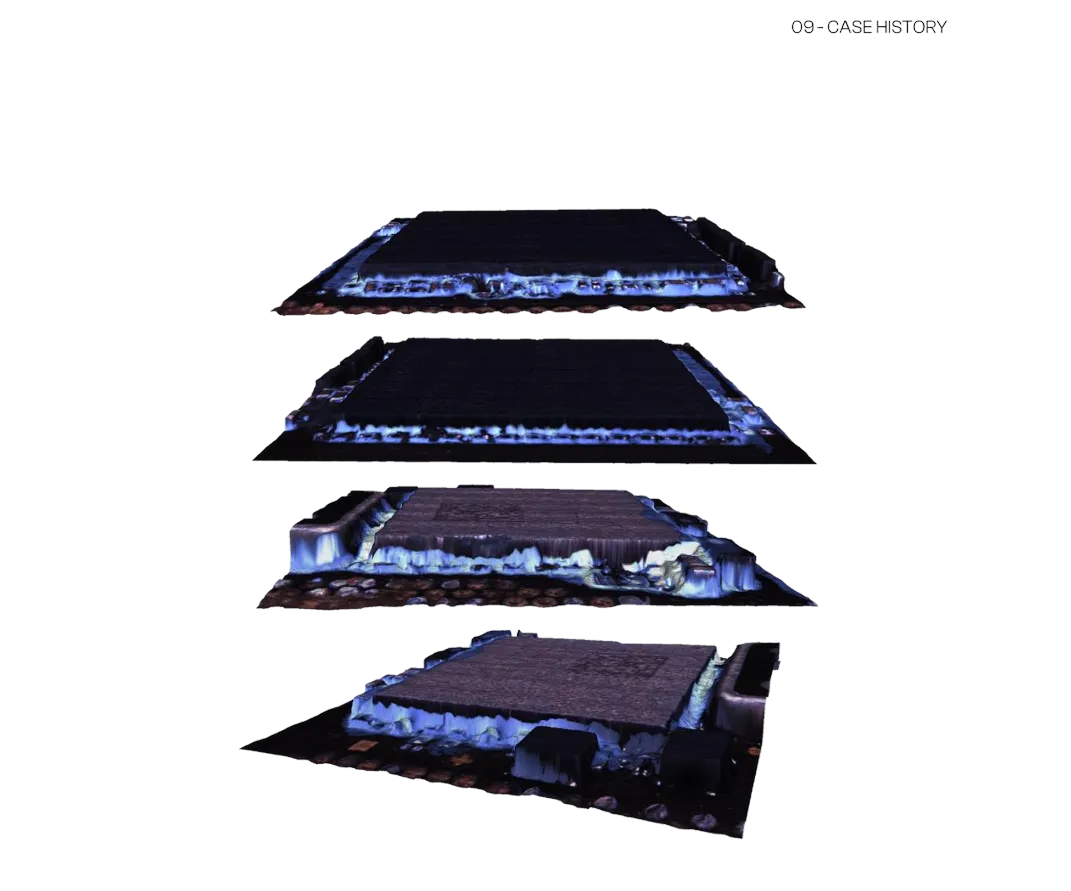
Paste shape, area, height and volume. Body location, size, position and tilt/lift. Missing, wrong or alternative parts. IPC-oriented measurement and compliance.
Key Benefits: complete component coverage. True 3D-measurement. Modify IPC standards in one click. Fewer escapes and false calls.
Leads, solder and markings
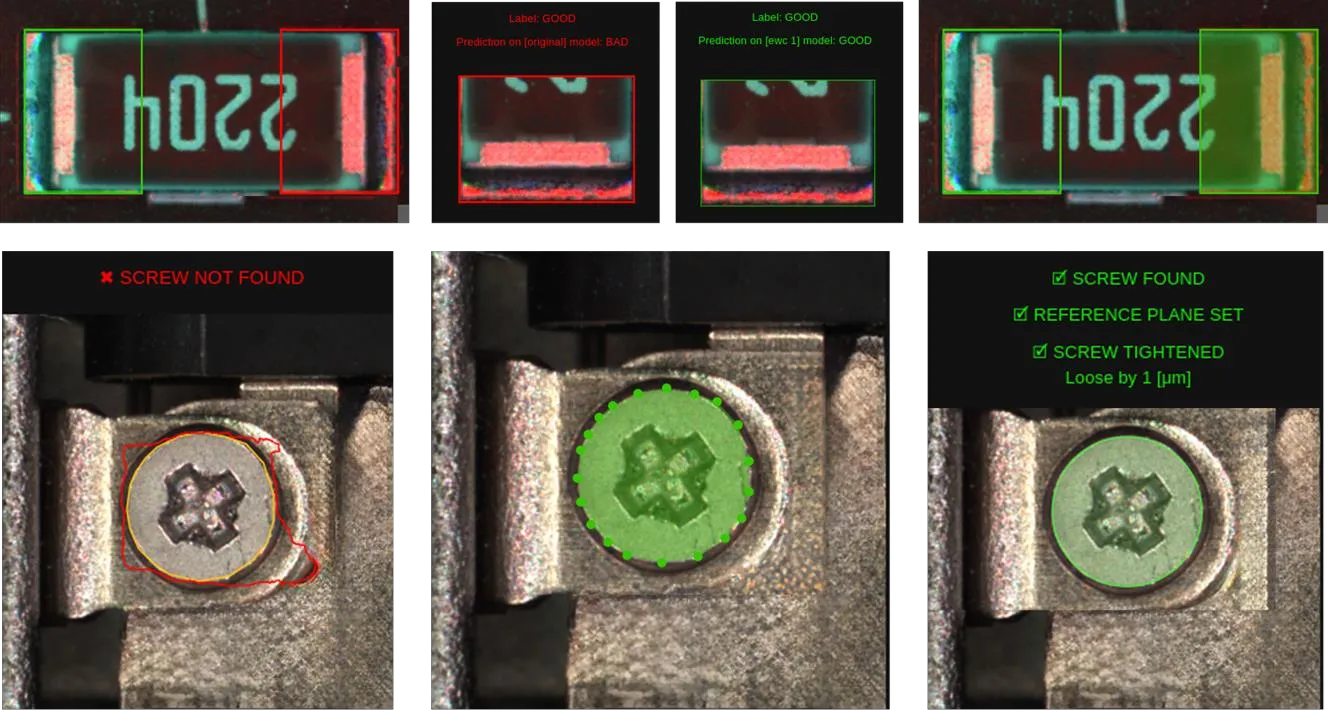
Pin/lead presence, position and solder. Bridges, planarity and solder balls. Polarity, OCR (Optical Character Recognition) and OCV (Optical Character Verification). Supplier and rotation variants.
Key Benefits: improves yield and assembly quality. Prevents polarity and part mix-ups. Enhances traceability and compliance. Reduces escapes and field failures.
Difficult geometries
Deep shadows and tall connectors. High-density fine-pitch parts. Reflective and metallic surfaces. Macro and non-standard cases.
Key Benefits: reliable inspection in hard-to-reach areas. Detects tiny, complex features. Improved yield and process control. Consistent quality across your production.
Adaptive detection
Foreign objects and anomalies. Colour bands and special marks. New cases via customer training. Applications beyond SMT.
Key Benefits: detects variations and unexpected conditions. Adapts to changes and unique scenarios. Improves yield and reliability. Reduces manual inspection effort.
Up to the most complex cases
AI-native perception with integrated optics, software and hardware
2D and True-3D Optics & Measurement Integrated
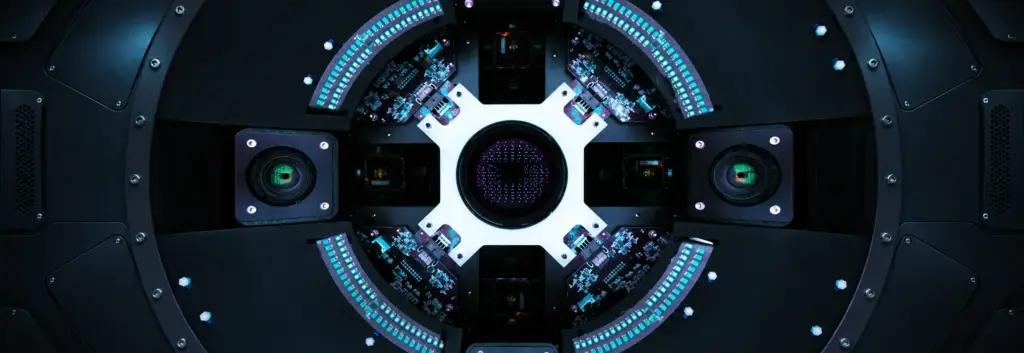
A proprietary optical head combining custom optics, structured light and multi-angle imaging.
- 25 MP top camera: high-resolution, high-speed acquisition
- Custom telecentric lens: reduced perspective distortion across component heights
- RGBW illumination: three levels of high-efficiency LED, UV optional
- 4 RGB projectors: true-3D reconstruction across a 50 x 50 mm field of view
- Optional side cameras: 4 x 12 MP for additional multi-angle visibility
- 50 x 50 mm FoV · 0.6 s/FoV · 2 µm height resolution · up to 30 mm height range
Neural Inspection Engine
Proprietary neural networks recognise and classify on the machine, during the live inspection cycle.
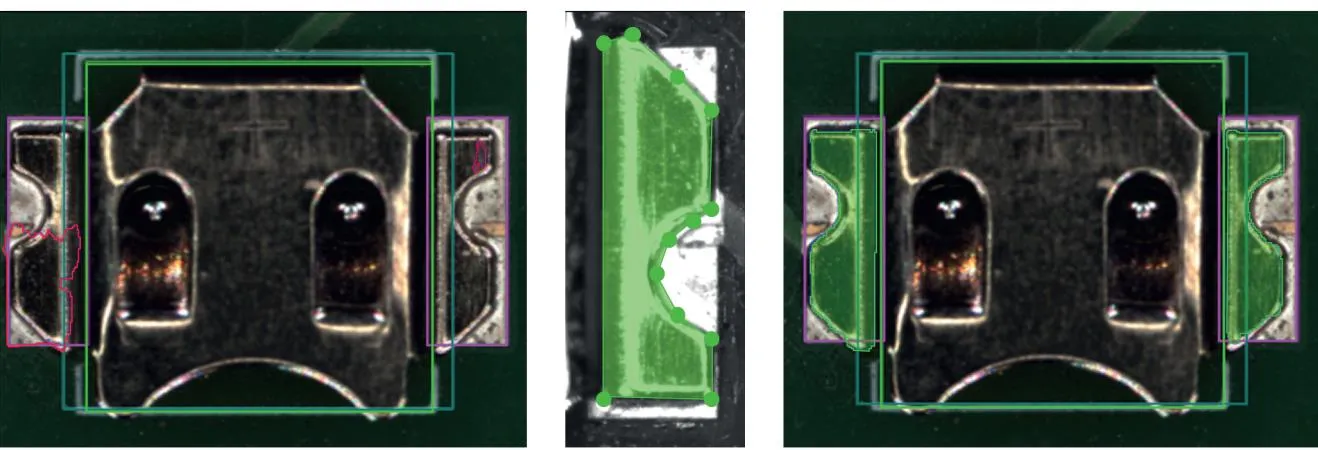
- Detect patterns: scans the image for edges, shapes and textures. Adapts to variation in appearance, angle, size and lighting
- Focus on what matters: reduces image size while keeping the most important information. Less noise, faster training and inference
- Understand the essence: compresses the object into a compact feature vector. High accuracy with less training data
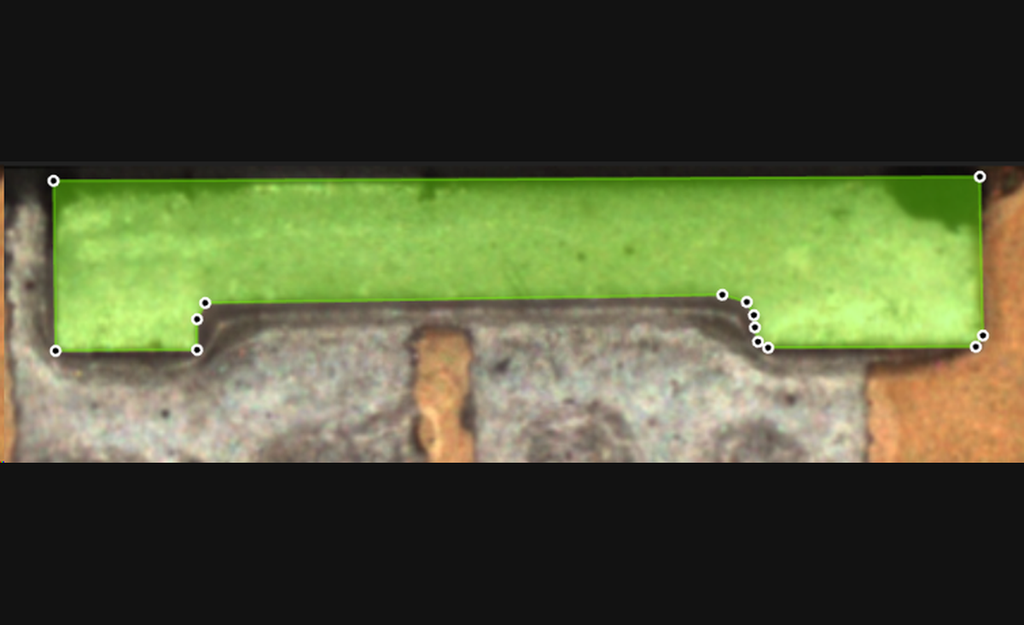
- Rebuild and predict: reconstructs the object and outputs the final mask. Precise results, down to fine details and boundaries
Neith: one software platform
for the whole inspection process
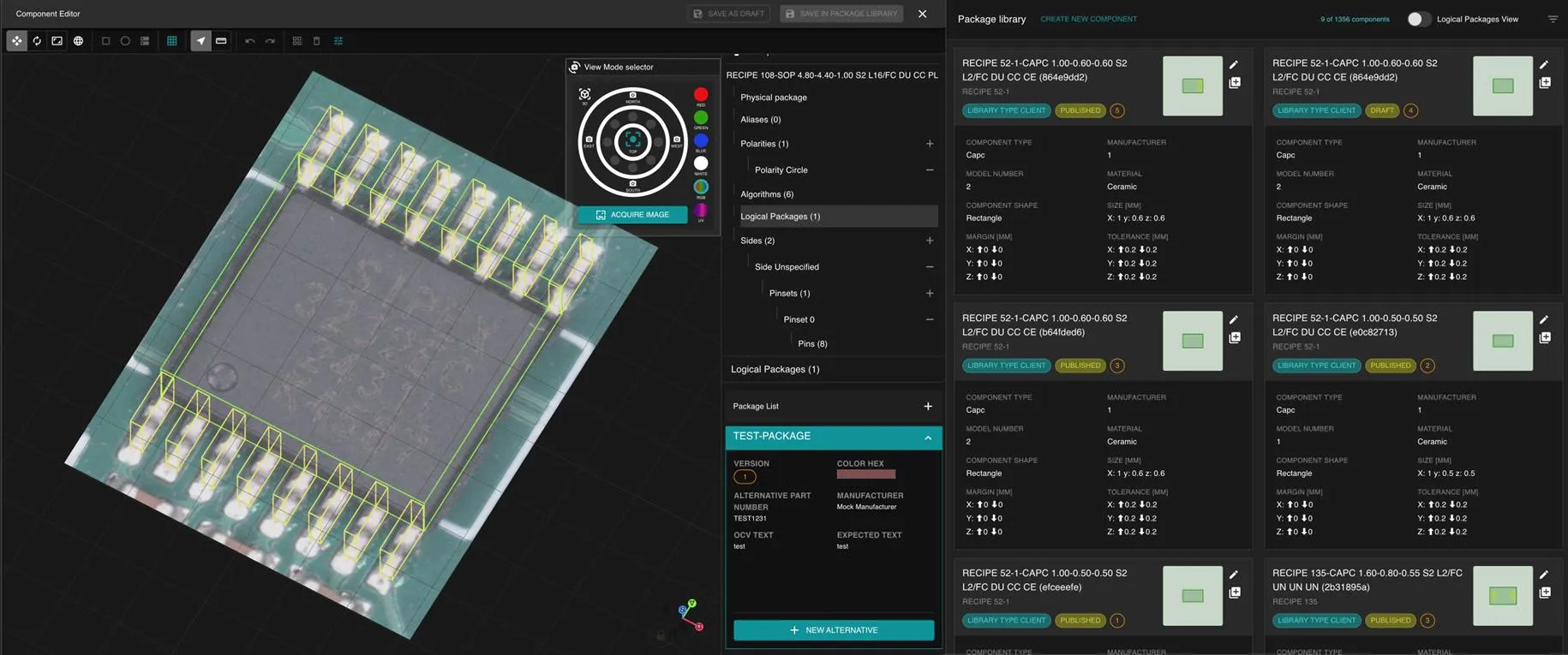
Web-based, modular and AI-driven. Neith runs the platforms, manages the data and raises first-pass yield.
It centralises every inspection stage, optimises data management across multiple platforms on one server, and turns inspection results into something a process engineer can act on. Not a list of flags, but a picture of what the line is actually doing.
Faster setup, reusable learning and customer-controlled know-how
Training Manager
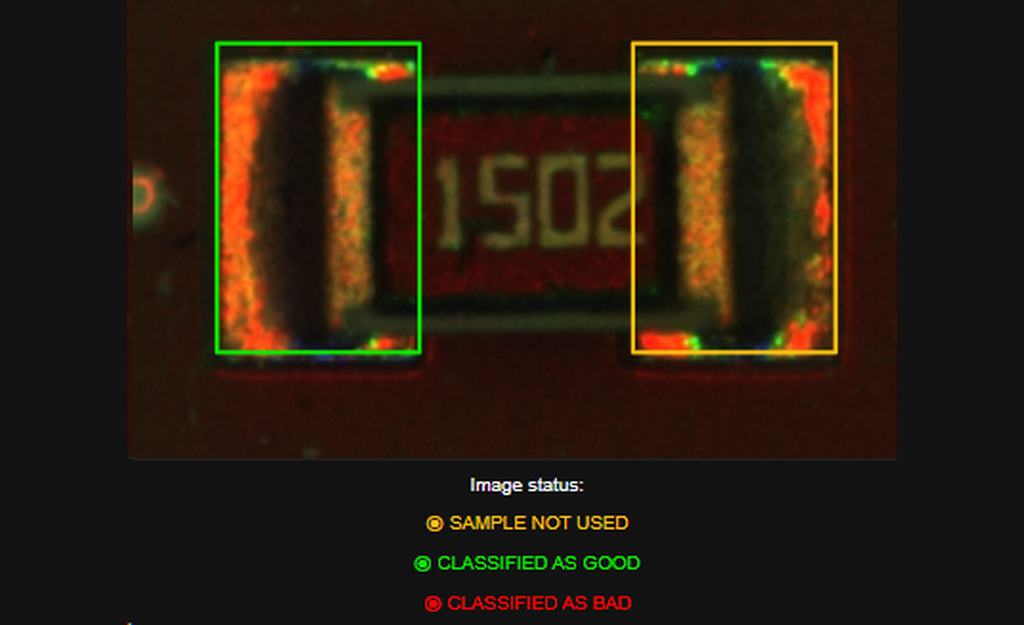
Your team can train the neural networks directly on the platform, using your own boards and production images.
The machine learns to recognise components beyond its initial training while preserving existing knowledge, allowing your team to adapt inspection independently and keep know-how in-house.
Self-programming
Accelerates component recognition and recipe creation, reducing the engineering effort required to bring a new product to stable inspection.
Offline programming and debugging
Programs are created, modified, optimised and debugged from an external PC while the platform stays in production. The line does not stop.
Training on the machine
Continuous improvement
Know-how stays with you
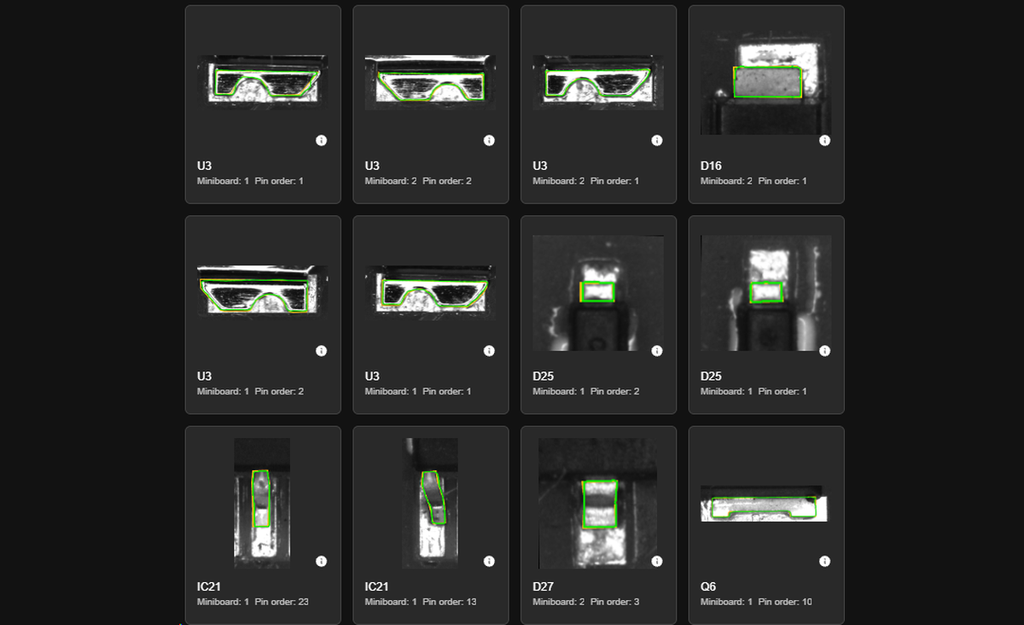
AI-native.
In three layers.
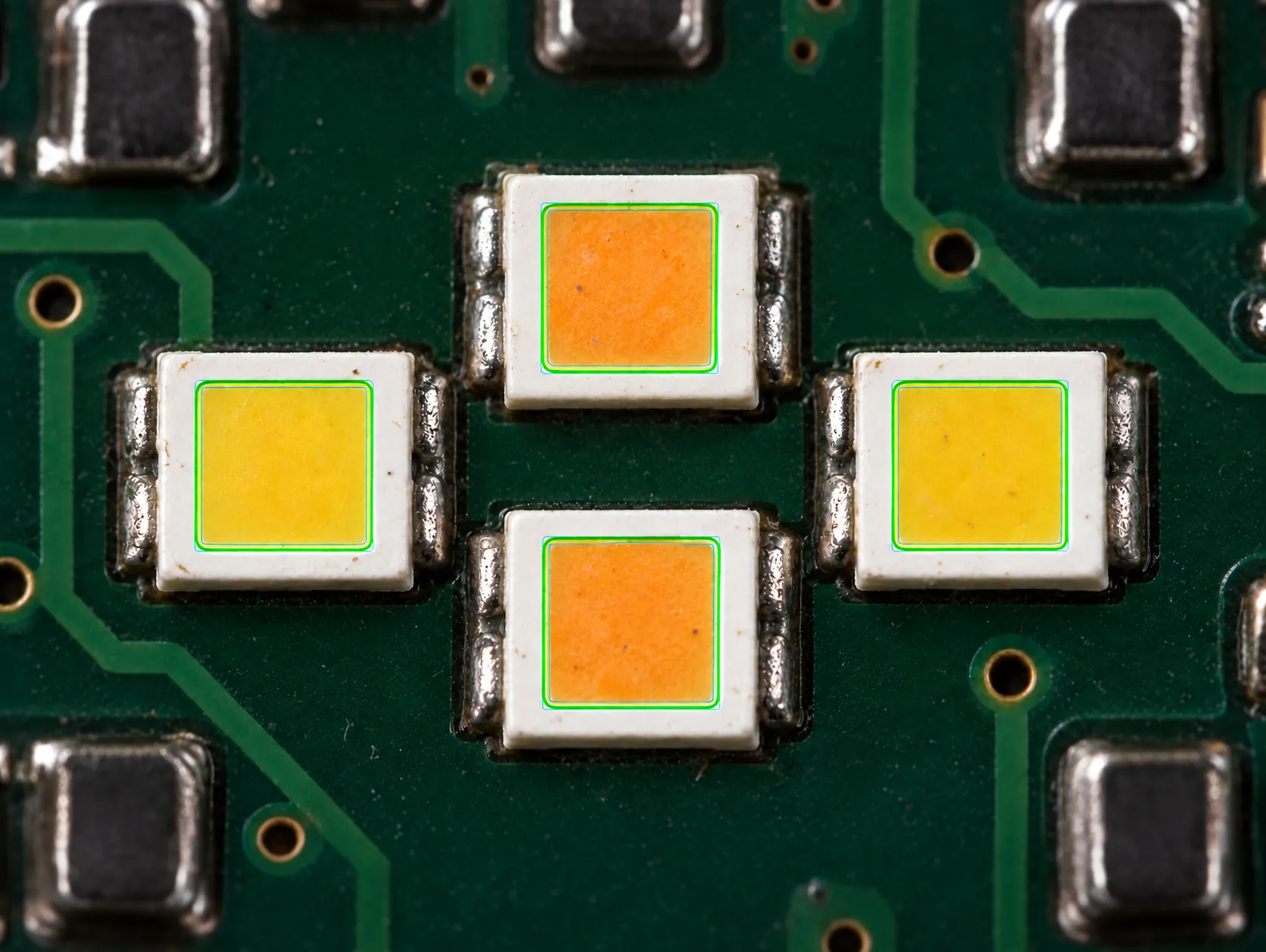
AI-Native by Design.
Proprietary neural networks for AOI and SPI from day one, not added later as a downstream layer.
AI in the Inspection Cycle
Neural networks classify from high-resolution 2D imagery, fused with true-3D inspection, during the live inspection cycle.
Hardware, Software
and Learning Engineered as One
Patented optical head, FPGA electronics, Neith microservices and neural networks, engineered as a single system.
“The big thing of the future will be AI in the physical world, for robots and industrial processes.”
Jürgen Schmidhuber
Platforms.
At a glance.
HORUSAll-purpose, versatile inline inspection.Discover more
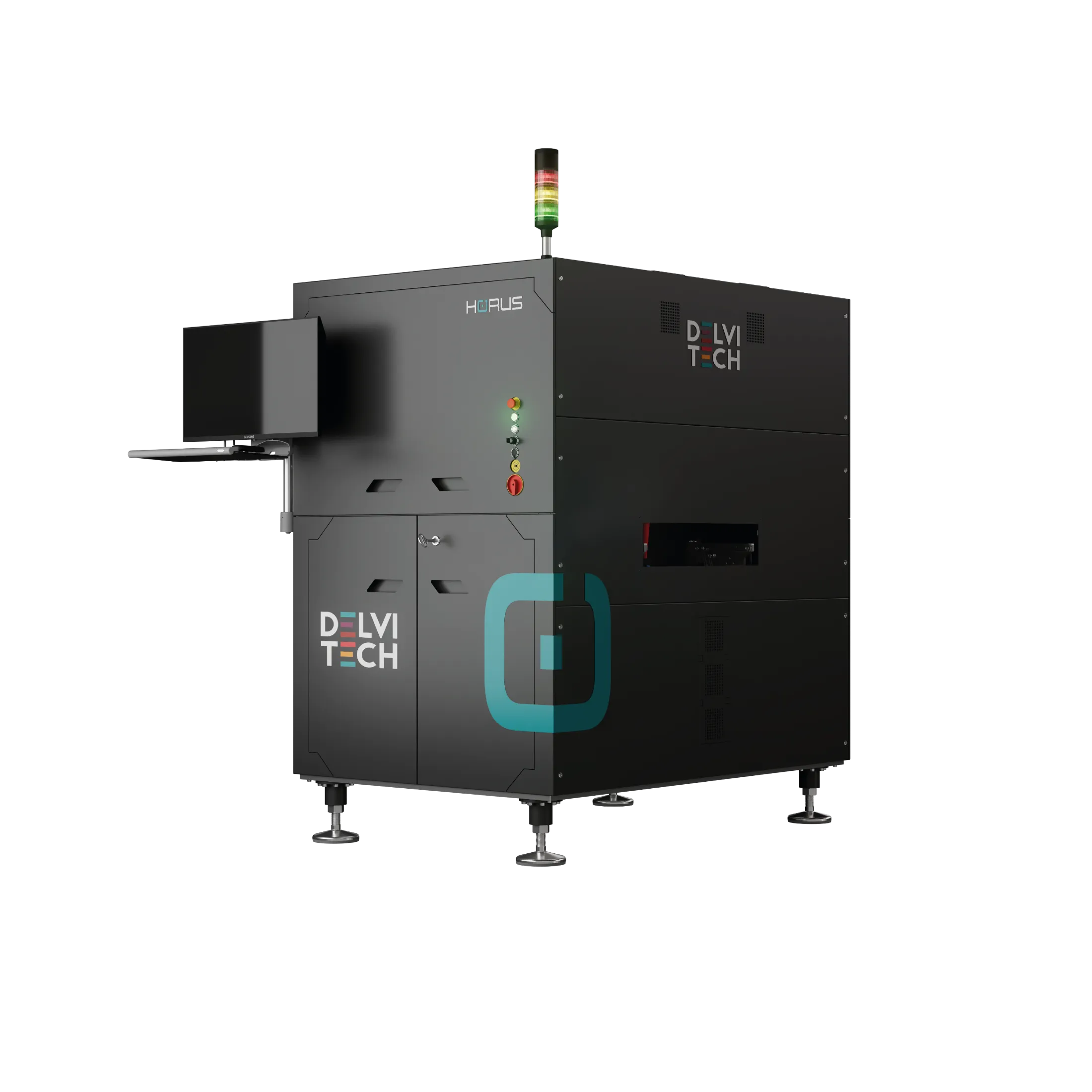
Inspection
SPI, pre- and post-reflow AOI
Optics
25 MP top camera, 4 RGB projectors, custom telecentric lens
Field of view
50 x 50 mm in 0.6 s/FoV
Height resolution
2 µm
Height measurement range
Up to 30 mm
Max. board (x, y)*
560 x 550 mm
Thickness (Min-Max)
0.5-5 mm
Max. weight
5 kg
Clearance top / bottom
60 / 60 mm · 3 mm edge
Machine dimensions (w, d, h)
1,090 x 1,590 x 1,791 mm
Configurations
Single Lane, ITU (Integrated Tilt Unit)
*X=Length, Y=Width
HORUS MIDIWider boards, dual-lane throughput. Compact line footprint.Discover more
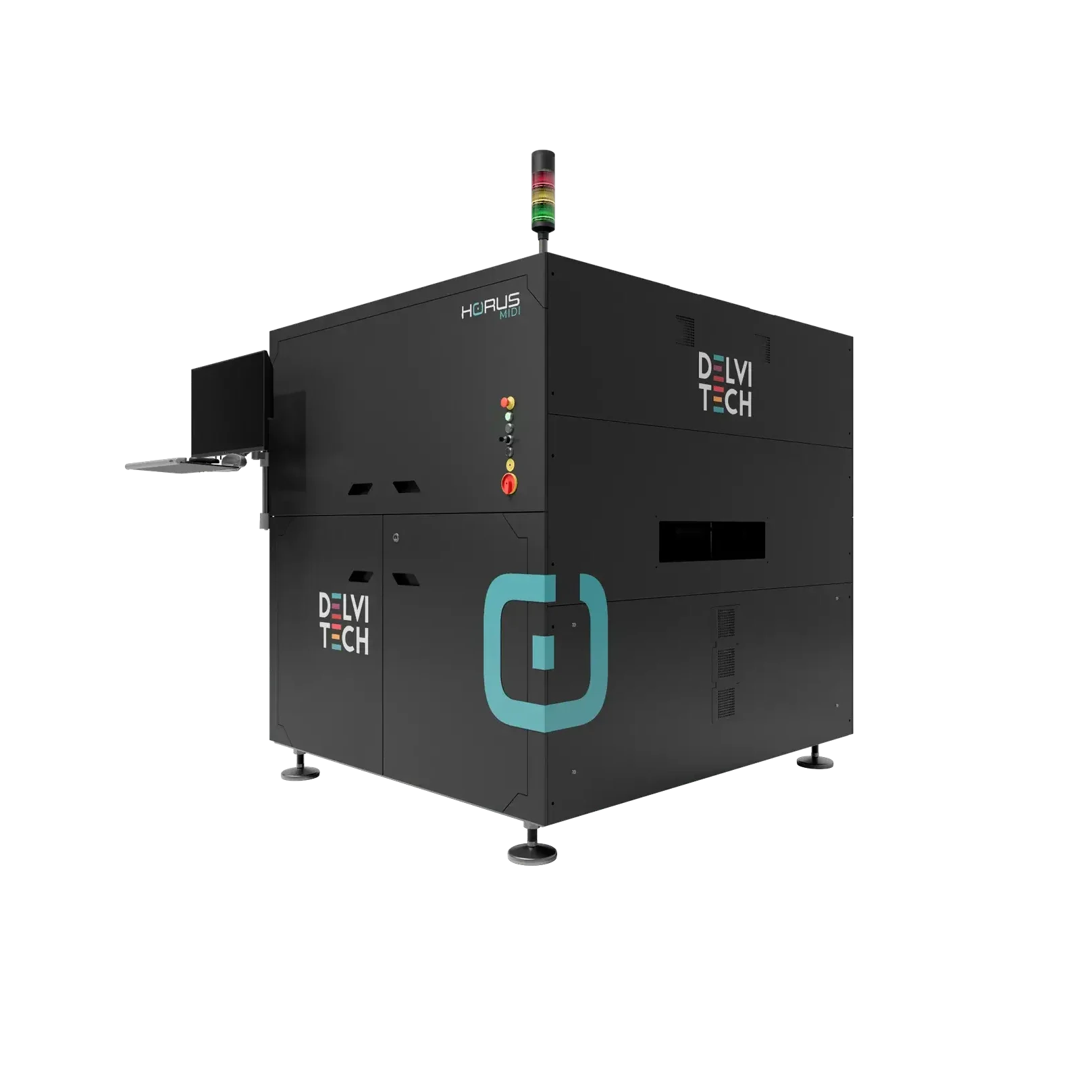
Inspection
SPI, pre- and post-reflow AOI
Optics
25 MP top camera, 4 RGB projectors, custom telecentric lens
Field of view
50 x 50 mm in 0.6 s/FoV
Height resolution
2 µm
Height measurement range
Up to 30 mm
Max. board (x, y)*
560 x 715 mm
Thickness (Min-Max)
0.5-10 mm
Max. weight
15 kg
Clearance top / bottom
60 / 60 mm · 3 mm edge
Machine dimensions (w, d, h)
1,090 x 1,780 x 1,791 mm
Configurations
Single Lane, Dual Lane, ITU (Integrated Tilt Unit)
*X=Length, Y=Width
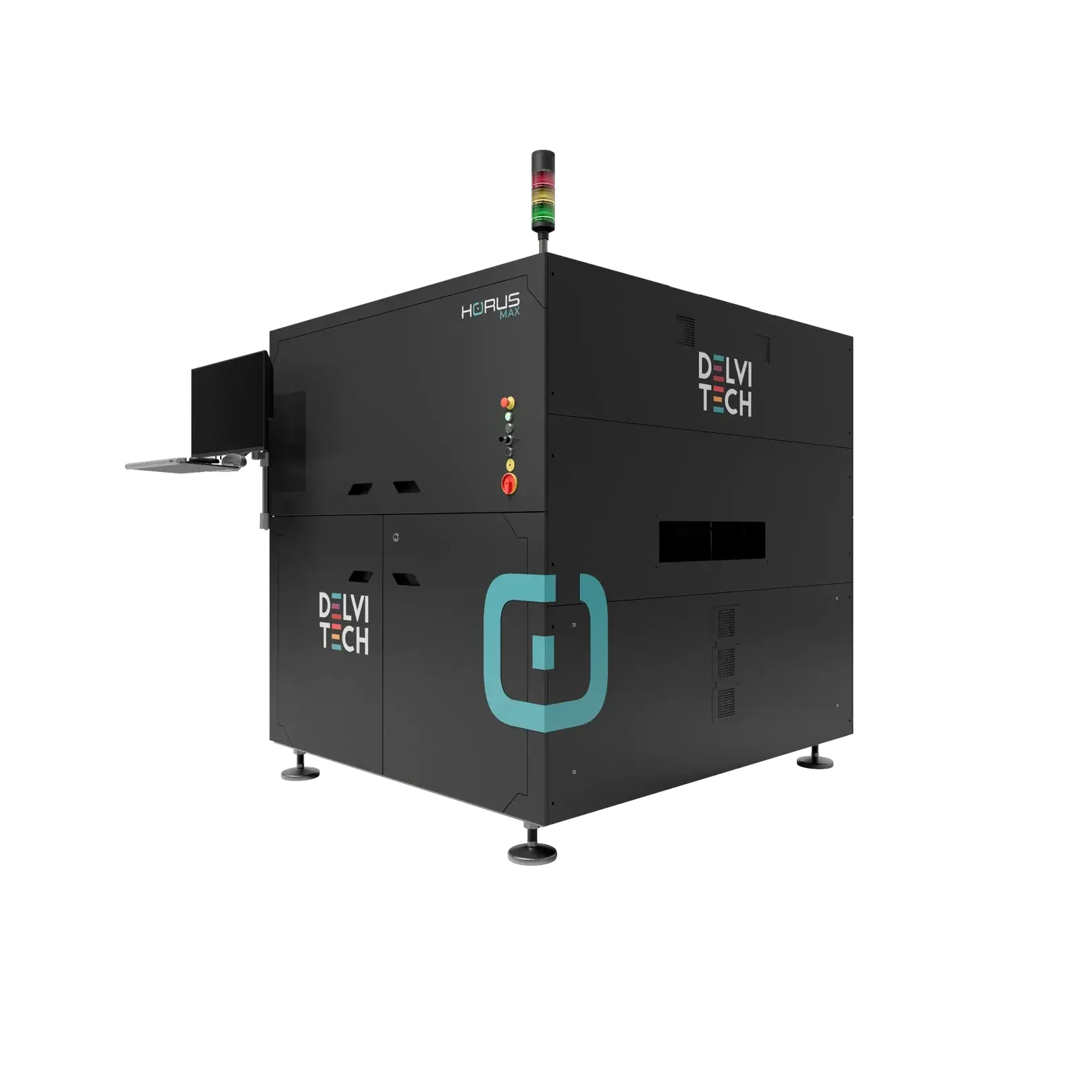
HORUS MAXLarge, long and heavy assemblies.Discover more
Inspection
SPI, pre- and post-reflow AOI
Optics
25 MP top camera, 4 RGB projectors, custom telecentric lens
Field of view
50 x 50 mm in 0.6 s/FoV
Height resolution
2 µm
Height measurement range
Up to 30 mm
Max. board (x, y)*
815 x 715 mm
Thickness (Min-Max)
0.5-10 mm
Max. weight
15 kg
Clearance top / bottom
60 / 60 mm · 3 mm edge
Machine dimensions (w, d, h)
1,620 x 1,780 x 1,776 mm
Configurations
Single Lane
*X=Length, Y=Width
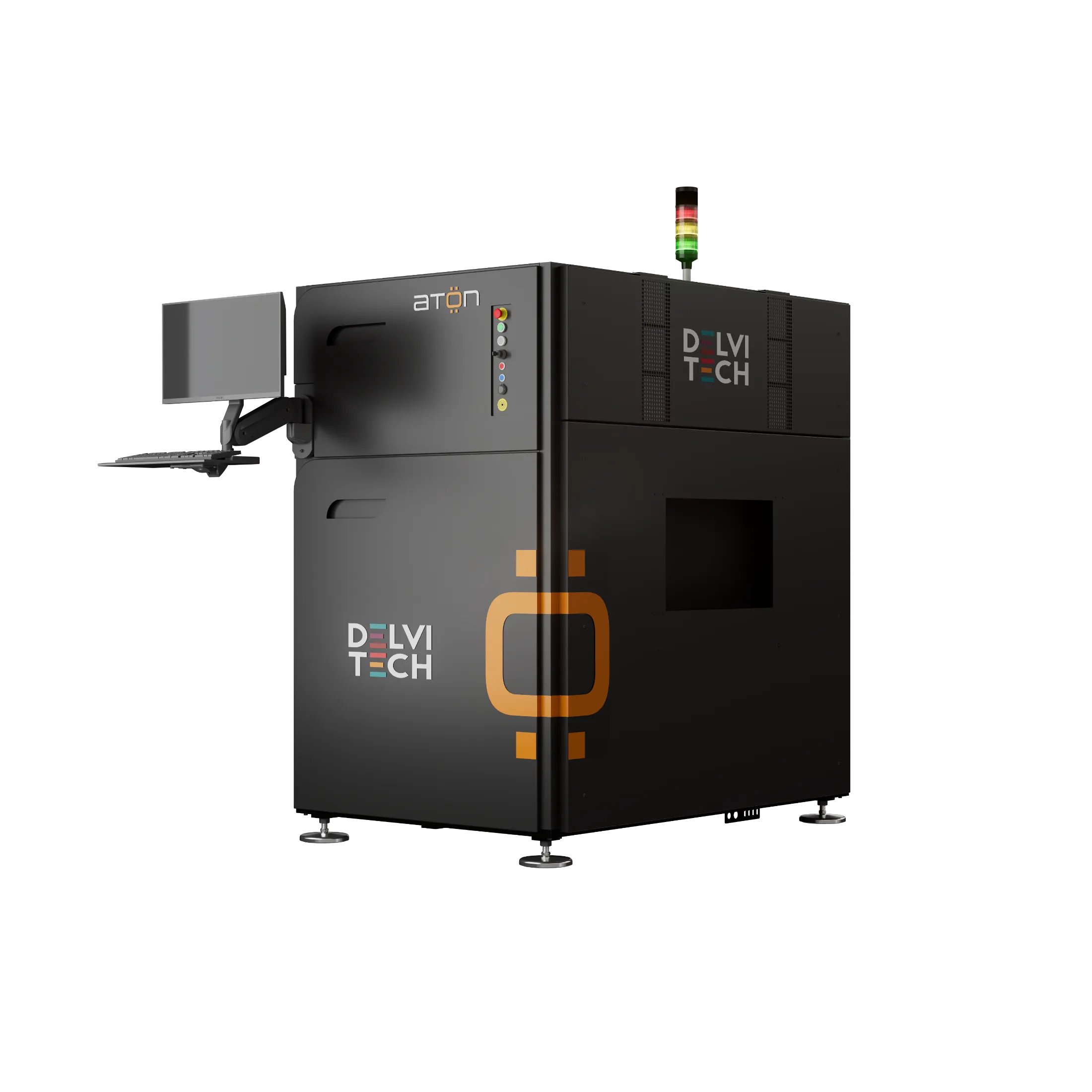
ATONTall & multi-level assemblies.Discover more
Inspection
Post-reflow AOI
Optics
25 MP top camera, 4 RGB projectors, custom telecentric lens
Field of view
50 x 50 mm in 0.8 s/FoV
Height resolution
2 µm
Height measurement range
Up to 80 mm
Max. board (x, y)*
550 x 500 mm
Thickness
Up to 8 mm
Max. weight
10 kg
Clearance top / bottom
120 / 140 mm · 3 mm edge
Machine dimensions (w, d, h)
1,140 x 1,630 x 1,786 mm
Configurations
Single Lane
*X=Length, Y=Width
FAQ
Which inspection applications can HORUS perform?
HORUS performs 3D SPI, pre-reflow AOI and post-reflow AOI, as well as additional inspection applications, on the same configurable machine.
What does the Neith software platform do?
Neith brings AOI and SPI programming, data and workflows together through browser-based microservices.
How can a team train the inspection networks?
With Training Manager, a team can train the neural networks on the platform using its own boards and production images, while preserving existing knowledge.
Can programs be modified while the platform is in production?
Yes. Programs can be created, modified, optimised and debugged from an external PC while the platform remains in production.

